—
The United States and Iran have reached an agreement to end a months-long conflict and reopen the Strait of Hormuz.
Details of the deal remain few, but Pakistan played a key role in mediation efforts and a Pakistani bishop has praised the role his country played in mediating talks between the two countries.
Speaking to Crux Now, Bishop Samson Shukardin of the diocese of Hyderabad in Pakistan said he was pleased with the reception Pakistan has received for its part in efforts to secure the deal.
“Pakistan is receiving appreciation and goodwill from many countries for its diplomatic initiatives. Gradually, the country’s image and standing are being recognized with greater respect on the international stage,” he said.
The Prime Minister of Pakistan, Shehbaz Sharif, announced on Sunday that a peace deal had been reached between the two nations that have been at war since Feb. 28, when the U.S. and Israel conducted what Israel described as a preemptive attack against Iran, amid fears the country was restarting its nuclear weapons program.
“Following intensive talks, we are pleased to announce that the Peace Deal between the United States of America and Islamic Republic of Iran has been reached. Both sides have declared the immediate and permanent termination of military operations on all fronts, including in Lebanon,” Sharif said.
“The official signing ceremony will be on Friday, 19 June in Switzerland,” he added.
Sharif on Monday confirmed the ceremony will take place in Geneva and that Pakistan “will organize” the meeting between the two countries to sign it.
Although the full agreement has not been published yet, it is understood that the terms include the opening of the Strait of Hormuz within 30 days, and Sharif was also unequivocal that Lebanon will be included too.
“Both sides have declared the immediate and permanent termination of military operations on all fronts, including in Lebanon,” Sharif said. Lebanon became a new front in the war following Hezbollah attacks on Israel in March.
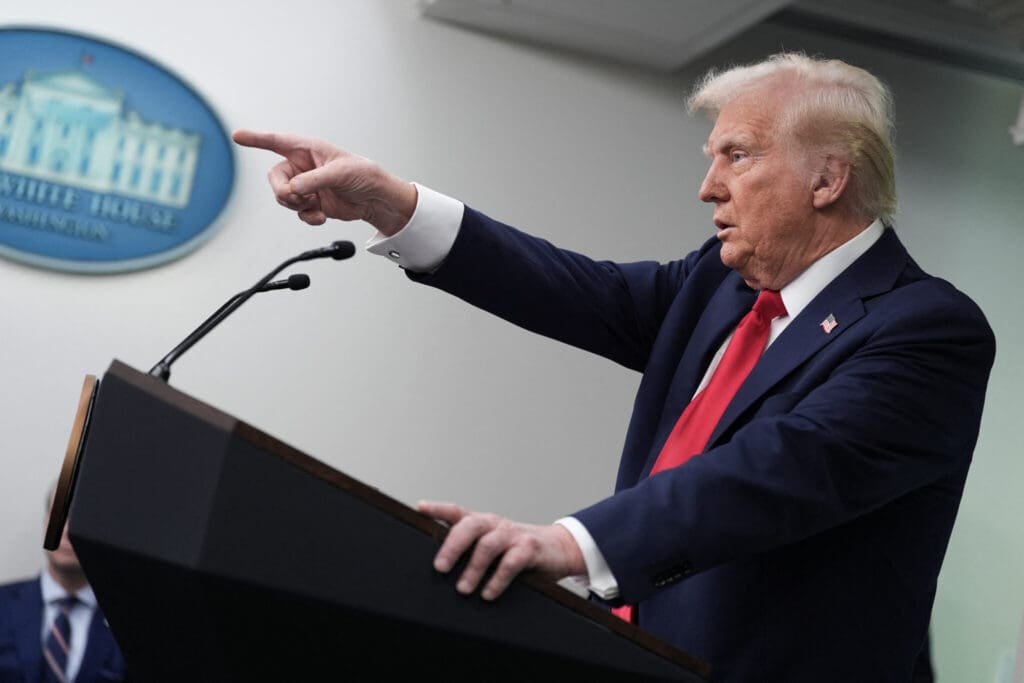
Donald Trump has said that the naval blockade of Iranian ports will be lifted, and the strait will open on Friday following the signing ceremony. He also said the strait will be “permanently toll free.”
Iranian media has reported that the terms also include an end to sanctions and a commitment from Iran not to produce nuclear weapons.
Israeli opposition to the agreement
Israel, which was not consulted on the deal, has said its forces will stay in Lebanon, despite the agreement. Defense Minister Israel Katz said Israel opposes withdrawing IDF troops from Lebanon despite “existing and expected pressures.”
He also said that the IDF will remain in “security zones” in Lebanon “without time limit.”
He added that all “terrorist infrastructures” will be destroyed to “protect Israel’s borders” and that the U.S. has been briefed on this position.
Trump grew increasingly frustrated with Israeli counterpart Benjamin Netanyahu in the last few weeks, particularly due to Israeli strikes in Lebanon, and on Sunday in an interview with The New York Times, referred to him as a “very difficult guy.”
Following Israeli strikes in Beirut yesterday, which delayed the agreement by a few hours, Trump said that Netanyahu “has no judgment.”
“This is very bad. I couldn’t believe this happened an hour before we were supposed to sign the agreement. Why the hell did Benjamin have to attack? I was very angry. He has no judgment. I told him that,” Trump said.
Israeli Finance Minister Bezalel Smotrich was not happy with the deal and referred to it as “bad for Israel and for the entire free world.”
Israeli National Security Minister Itamar Ben-Gvir was also unhappy with the deal. “We are not partners to this agreement that does not ensure our security, and it does not bind us in any way,” he said.
Nirmala Carbhalo from India and Fionn Shiner from Spain contributed to this report.